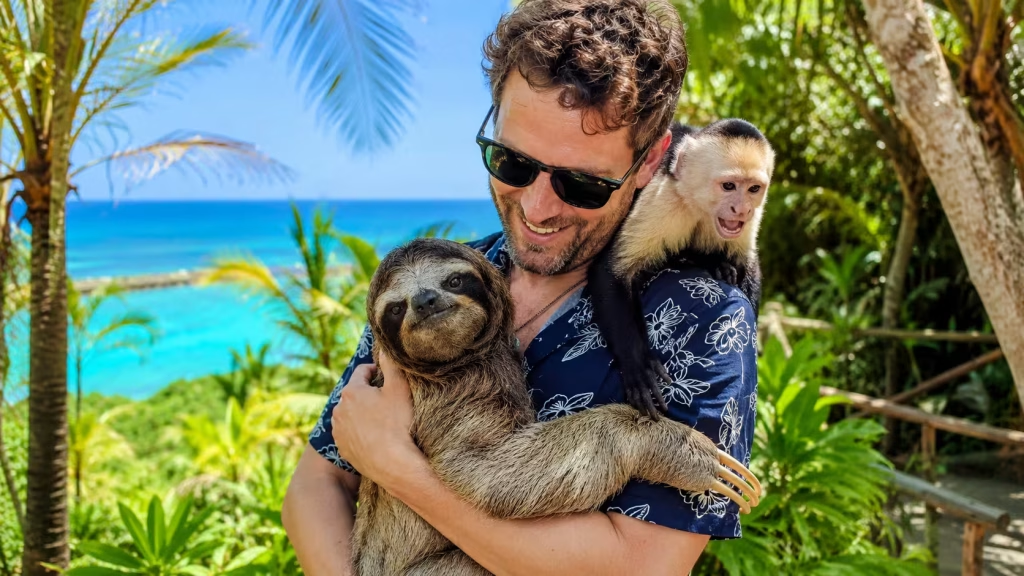
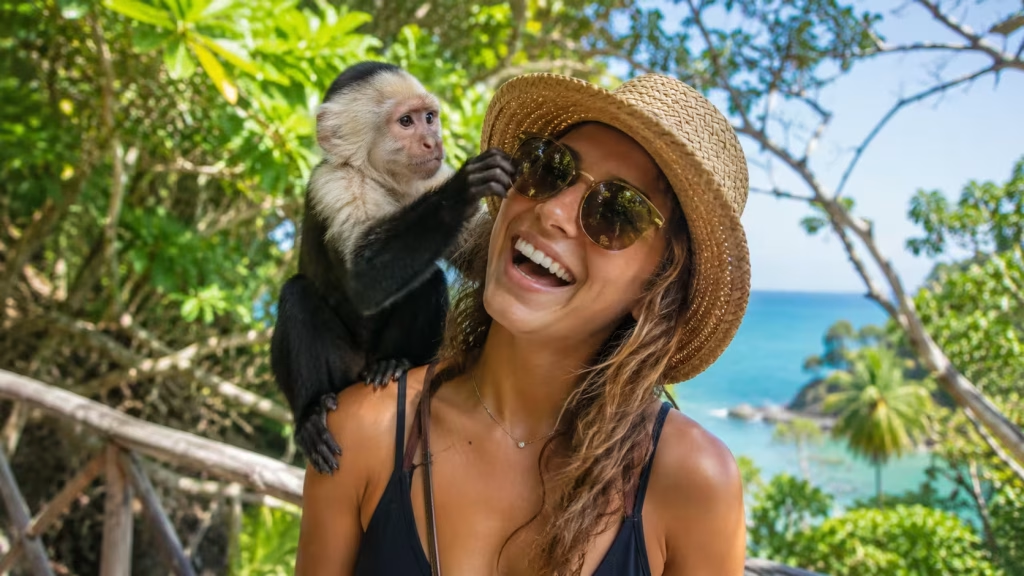
If you’ve seen Roatan travel photos on social media, chances are you’ve spotted someone holding a sloth or with a capuchin monkey on their shoulder. These wildlife encounter tours have become the signature Roatan experience, and for good reason. The combination of close animal interaction, photo opportunities that genuinely impress, and meaningful educational content makes these tours unforgettable.
This guide covers everything you need to know about sloth and monkey tours in Roatan: what to expect at the parks, the differences between operators, ethical considerations, and practical advice for getting the best experience whether you’re a first-time visitor or returning to do it again.
Why Sloth and Monkey Tours Are So Popular
Three factors explain the consistent top ranking these tours get in visitor satisfaction surveys.
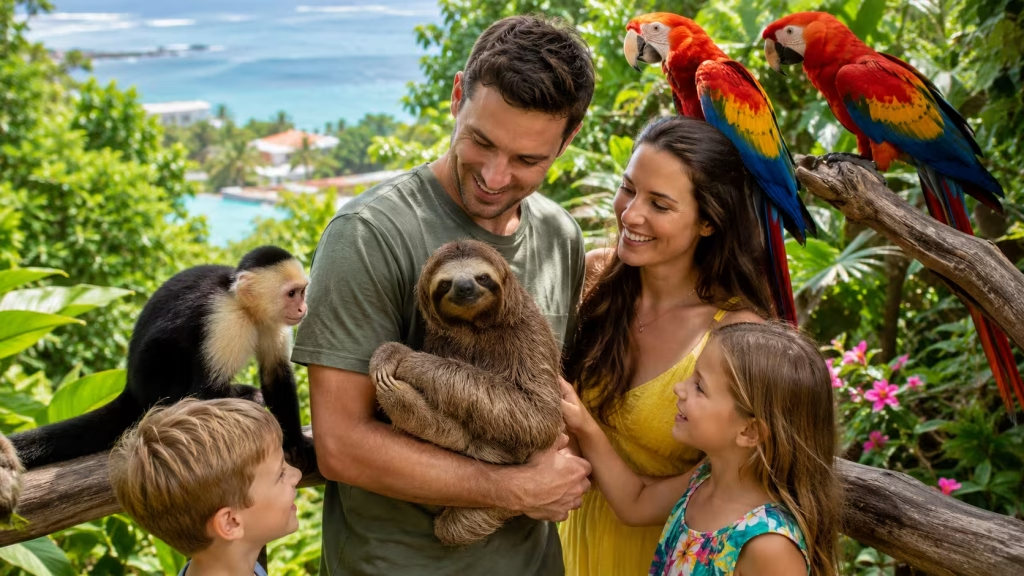
Genuine close interaction. Unlike many wildlife experiences that involve viewing from a distance, the sloth and monkey parks in Roatan let you actually hold the animals. This isn’t a pose-with-the-animal-from-behind-glass setup. The sloths sit on your hands, the monkeys climb on your shoulders, the macaws perch on your arms.
Photo quality. The photos that come out of these tours are genuinely impressive. Sloths have endlessly photogenic faces, monkeys are expressive and animated, and the colorful birds add visual variety. Most visitors leave with portfolio-worthy images.
Family-friendly experience. These tours work for almost any age group. Young kids are amazed, teenagers actually put their phones down to engage, and older adults appreciate the wildlife. Few tour categories offer this kind of universal appeal.
The Main Sloth and Monkey Parks in Roatan
Daniel Johnson's Sloth and Monkey Park
The most famous and most visited park on the island. Located in French Harbour, this park has become the standard reference for the experience. They have several species of sloths (two-toed and three-toed), capuchin monkeys, macaws, parrots, and other birds. Most major tour operators include this park in their packages.
Visitor capacity is high, which means it can feel crowded during peak cruise ship hours (10 AM to noon). Going earlier or later in the day improves the experience.
Mayan Eden Eco Park
Less crowded alternative with a similar wildlife encounter experience plus additional features like a butterfly garden and short hiking trails. Located in Sandy Bay area on the west side of the island.
This park feels more nature-oriented than Daniel Johnson’s. The setting includes more natural habitat areas, which appeals to visitors who want a less zoo-like experience.
French Cay Conservation Park
A smaller, more conservation-focused option. The animal interactions are similar but with fewer simultaneous visitors, which makes for a more personal experience. Less marketed than the major parks but increasingly popular among visitors who research alternatives.
What Actually Happens During the Visit
Setting realistic expectations helps you make the most of the experience. Here’s what a typical sloth and monkey park visit looks like.
On arrival, you’ll get a brief introduction from staff explaining the rules: no feeding, no flash photography for some animals, gentle handling. The orientation takes 5-10 minutes.
First, the sloths. You’ll be guided to the sloth area where staff bring sloths to you for holding and photos. Two-toed sloths are typically more active and personable. Three-toed sloths are quieter and tend to just hang on you peacefully. Each interaction lasts a few minutes per visitor.
Next, the monkeys. Capuchin monkeys are kept in larger enclosures where you enter (with staff) and the monkeys come to you. They climb on heads, shoulders, and outstretched arms. They’re fast and unpredictable in a fun way—they might steal your hat or sunglasses if you’re not careful.
Then the birds. Macaws, parrots, and other tropical birds are brought out for handling and photos. Their colors are spectacular, and seeing them up close is impressive even after the sloth and monkey interactions.
Total time at the park ranges from 1.5-2 hours, depending on how busy it is and the size of your tour group.
Most sloth and monkey park tours bundle this experience with other activities like beach time, sightseeing, or snorkeling. The combined packages offer better value than visiting the park alone, since you’ll spend half a day at the park anyway.
Ethical Considerations
This is a fair question that responsible visitors should ask. The reputable parks in Roatan operate under wildlife management standards that include rest periods for animals, limits on visitor interaction, proper veterinary care, and adequate enclosure sizes.
That said, the experience is fundamentally a captive wildlife interaction, which differs from observing animals in their natural habitat. If you have strong feelings against any form of captive wildlife tourism, this might not be the experience for you.
Most visitors find that the parks operate at reasonable ethical standards. The animals appear well-cared-for, the staff demonstrate genuine concern for the animals, and many of the animals at these parks are rescues that wouldn’t survive in the wild.
Booking Your Sloth and Monkey Tour
Most visitors don’t visit the parks independently. Tour operators include park entry, transportation, and often other activities in their packages. This is generally the most efficient and economical approach.
Pricing for 2026: standalone park visits run $35-45 USD per person. Tour packages with park visit, transportation, and one additional activity (beach, sightseeing, or snorkeling) run $70-100 USD per person.
Operators like DD Roatan Tour offer customizable sloth and monkey packages that combine the park visit with other experiences based on what your group wants. Customization is particularly valuable for families with mixed interests or visitors with limited time.
Best Time to Visit the Parks
Avoid peak hours if possible. Mid-morning (10 AM – noon) is when most cruise ship excursions arrive, making the parks crowded and the experience rushed.
Early morning (8-9 AM) or afternoon (after 1 PM) provides better experiences. The animals are often more active, the lighting for photos is better, and there are fewer simultaneous visitors.
If you’re on a cruise ship, early-bird excursions that prioritize getting to the parks first deliver noticeably better experiences. Worth the early start.
Photography Tips
Bring an actual camera if you have one, or at least a phone with a good camera. The photos from these tours often become favorites that get shared widely.
Use natural light. Flash photography is restricted with some animals (particularly sloths whose eyes are sensitive). Outdoor sections of the parks have better lighting anyway.
Get help. Most parks have staff who’ll take group photos. Professional photographers also work some parks and offer photo packages. The professional shots are often better than what you’ll get yourself.
Don’t forget yourself. New visitors often spend so much time photographing the animals that they don’t get good photos with them. Make sure someone in your group focuses on capturing you and your family or friends interacting.
Common Concerns and Questions
Are the animals dangerous? No. Sloths are extremely gentle. Capuchin monkeys can be playful and might steal small items but aren’t aggressive in normal circumstances. Staff manage all interactions for safety.
Will my kids be safe? Yes, with appropriate supervision. Even young children typically love the experience. Some kids might be initially nervous about the monkeys’ fast movements but warm up quickly.
What about people with phobias? If you have a strong phobia of monkeys or birds, some interactions might be uncomfortable. The sloths are a different category—even people who don’t typically like animals find sloths charming.
Is this part of a larger conservation effort? Most parks contribute to local conservation through education, rescue programs, and supporting research. The level varies by park.
Making This Tour Part of Your Roatan Day
The sloth and monkey park experience pairs naturally with several other activities. Combinations that work well based on visitor feedback.
Sloth/monkey + beach time: classic combination. Park visit in the morning, beach in the afternoon.
Sloth/monkey + snorkeling: covers both wildlife encounter and underwater experience in one day. Tighter schedule but very rewarding.
Sloth/monkey + sightseeing tour: shows you the variety of the island plus the wildlife encounter.
Sloth/monkey + zip lining: high-energy combination popular with families with older kids.
Almost every Roatan visitor who experiences the sloth and monkey tours describes them as a highlight of the trip. The combination of close animal interaction, exceptional photos, and accessible experience that works for all ages explains why these tours consistently rank at the top of must-do lists for the island.